HealthSurgeon - Healthy Living and Fitness - Purium Coupon
Primary Navigation Menu
Muscle Matters: Unlocking the Keys to Strength, Metabolism, and Longevity
Muscles are fundamental to every movement you make—from the simple act of breathing to running a marathon. Beyond enabling locomotion, muscles play critical roles in metabolic health, posture, injury prevention, and overall quality of life. There are about 600 muscles in the human body. Understanding why muscle health matters and adopting strategies to preserve and build muscle mass are essential for people of all ages and fitness levels. This article explores the functions of skeletal muscle, the consequences of muscle loss, and evidence-based approaches to support optimal muscle health.
The Vital Functions of Muscle Tissue
Skeletal muscle, the type attached to bones, comprises roughly 40% of total body weight in healthy adults and serves multiple key functions:
Movement and Mobility: Contraction of muscle fibers enables joint movement and physical activities ranging from walking to lifting heavy objects.
Thermoregulation: Muscle contractions generate heat, contributing to the maintenance of body temperature.
Posture and Stability: Core and postural muscles maintain alignment and balance, reducing risk of falls and musculoskeletal injuries.
Protein Reservoir: During periods of illness or inadequate nutrition, muscle tissue provides amino acids for vital functions.
The Consequences of Muscle Loss
Loss of muscle mass and strength—known as sarcopenia when age‑related—can begin as early as the fourth decade of life and accelerates with sedentary behavior, poor nutrition, chronic illness, and hormonal changes. Consequences include:
Increased Injury Risk: Weaker muscles provide less joint support, increasing falls and fractures.
Metabolic Dysfunction: Lower muscle mass impairs glucose disposal and increases risk of type 2 diabetes.
Lower Basal Metabolic Rate (BMR): Reduced calorie expenditure at rest can contribute to weight gain and fat accumulation.
Decline in Quality of Life: Loss of strength and endurance affects mental well-being and social engagement.
Evidence-Based Strategies to Support Muscle Health
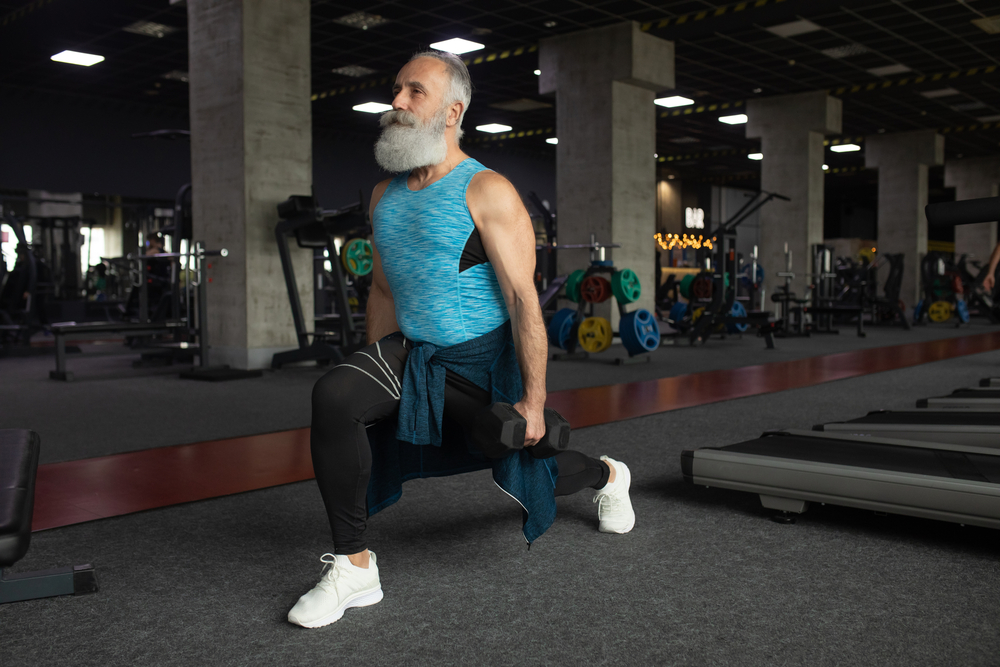
Resistance Training
Why It Works: Progressive overload from resistance exercise stimulates muscle protein synthesis (MPS), leading to hypertrophy (growth) and strength gains.
Recommendations:
Frequency: 2–4 sessions per week targeting all major muscle groups.
Intensity: 60–85% of one-repetition maximum (1RM) for hypertrophy; heavier loads (≥85% 1RM) for strength gains.
Volume: 2–4 sets of 6–12 repetitions per exercise.
Adequate Protein Intake
Why It Works: Dietary protein provides essential amino acids—especially leucine—that trigger MPS and support recovery.
Recommendations:
Aim for 1.2–2.2 g/kg body weight per day, with higher intakes beneficial during caloric restriction or older age.
Distribute protein evenly across meals (~0.3–0.4 g/kg per meal).
Balanced Macronutrient and Calorie Intake
Why It Works: Sufficient calories ensure energy availability for workouts and recovery. Carbohydrates refill glycogen stores, while fats support hormone production.
Recommendations:
Maintain slight caloric surplus (~250–500 kcal/day) for muscle gain, or modest deficit (~10–20%) when losing fat while preserving muscle.
Emphasize technique, balanced diet, age-appropriate resistance training
Adults (20–50)
Maintain/grow muscle
Progressive overload, sufficient protein, consistent training
Older Adults (>50)
Prevent sarcopenia
Higher protein intake (1.2–1.5 g/kg), resistance training 3×/week, balance exercises
Conclusion
Muscles are central to physical function, metabolic health, and quality of life. Preserving and building muscle requires a multifaceted approach: regular resistance training, adequate protein and calorie intake, proper recovery, and lifestyle habits that support overall wellness. By prioritizing muscle health today, you invest in strength, resilience, and independence for years to come.
This website uses cookies to improve your experience. We'll assume you're ok with this, but you can opt-out if you wish.AcceptRejectRead More
Privacy & Cookies Policy
Privacy Overview
This website uses cookies to improve your experience while you navigate through the website. Out of these cookies, the cookies that are categorized as necessary are stored on your browser as they are essential for the working of basic functionalities of the website. We also use third-party cookies that help us analyze and understand how you use this website. These cookies will be stored in your browser only with your consent. You also have the option to opt-out of these cookies. But opting out of some of these cookies may have an effect on your browsing experience.