HealthSurgeon - Healthy Living and Fitness - Purium Coupon
Primary Navigation Menu
Head Hurt? Different Types Of Headaches
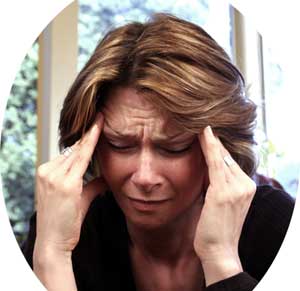
Most people will say they have experienced some form of a headache at one point in their lives. Headaches are very common. Any one can experience a headache from children up to adults. Headaches are pain in your head or face that have pressure that is constant, sharp, dull, or throbbing. There are different types of headaches. Depending on the type the cause, duration, and variety can vary.
Primary
Primary headaches are when there is no underlying cause. The pain in your head is considered the condition. These are usually triggered by lifestyle factors or situations like alcohol, food, nicotine use, lack of sleep, poor posture, physical activity, hunger, or laughing or crying vigorously. Primary headaches are usually not dangerous. They can be very painful.
Tension
A common type of primary headache is a tension headache. This is a headache that has a dull aching pain that radiates all over your head. You may also experience tenderness around your neck, forehead, scalp, and shoulder muscles.
Cluster
Cluster headaches occur around or behind one of your eyes, on one side of your face at a time. They occur in a series lasting between 15 minutes to three hours in duration. As soon as one headache subsides another will soon follow. They can occur one headache every other day, or you may have eight headaches in one day. They seem to follow a pattern.
Migraine
Migraine headaches can affect your ability to function normally. They have intense pulsing pain. Migraines can last from between four to seventy-two hours. Symptoms of a migraine are throbbing pain, light sensitivity, sound sensitivity, nausea, and vomiting. Migraines may be genetic. They may also be caused by certain triggers such as sleep disruption, dehydration, skipped meals, foods, hormone fluctuations, or exposure to certain chemicals.
Hermicrania
Hermicrania headaches are moderate headaches that occur on one side of the head. They last continually for three months. This type of primary headache is common in young adults. Other symptoms that go along with a hermicrania headache are eye redness, nasal congestion, eyelid drooping, and forehead sweating.
Ice pick
Ice pick headaches are short intense stabbing pains that only last a few seconds. It may feel like only one stab, or a few stabs in a short succession. Ice pick headaches may only happen a few times daily. These headaches will usually move around the head to different areas of pain. If you have pain in the same area consistently, you will want to speak with a healthcare provider.
Thunderclap
A thunderclap headache is a severe headache that comes on rapidly. It can be a sign of a serious condition so if you experience a thunderclap headache for the first time you will want to seek medical attention. It can be a sign of a blood vessel tear, stroke, brain injury, reversible cerebral vasoconstriction syndrome, vasculitis, or pituitary apoplexy.
Secondary
Secondary headaches are a symptom of an underlying condition. Usually secondary headaches will resolve when the underlying condition is treated.
Allergy / Sinus
Allergy or sinus headaches are a common type of secondary headache. The pain is usually in the front of the face, or in the sinus area.
Hormone
Hormone headaches occur due to hormonal fluctuations. This can happen because of menstruation, birth control pills, or pregnancy. Hormonal headaches can happen anywhere between three days before your period, to three days into your period.
Caffeine
Caffeine affects the blood flow to your brain. If you are a consistent caffeine drinker and you stop all of a sudden, you may experience a caffeine headache. Drinking too much caffeine can also cause you to have a caffeine headache.
Exertion
Exertion or intense physical activity can cause exertion headaches. These usually don’t last very long.
Hypertension
Hypertension headaches signal an emergency. This is when extreme raised blood pressure causes a headache. Both sides of the head will have pain, and pain will get worse with activity.
Spinal
Spinal headaches are when spinal fluid leaks out of the membrane in the spinal cord. These are usually intense headaches. They usually follow a spinal tap. They can resolve on their own, but if they don’t you will need to seek medical attention, left untreated can cause seizures.
There is no one way to treat headaches. The best way to help prevent and treat is to identify your triggers. What causes you headaches most often, then you can go from there with treatment options. If you suffer from tension headaches, managing your stress can be beneficial. This can be learning to take deep breathes, participating in yoga, or other stress management options. Over the counter medications can be essential in helping take away the pain from a headache and being able to function during your day. Healing or treating your underlying condition will usually help treat secondary headaches.
To relieve some discomfort from your headache you can try applying heat or ice to your head. Head massage either self done, or done by someone else can help release tension and ease pain. Doing stretching can also alleviate pain. Resting in the dark or taking a walk can also be helpful in relieving some of the discomfort that a headache can cause.
Headaches are usually not dangerous. In some cases they may be signs of an underlying condition. You will want to seek professional help in a few cases. One if you are experiencing one or more headaches per week. If your headaches you are experiencing are getting worse or won’t go away. If you are taking a pain reliever daily to help with your headaches or if you are having to take doses of pain reliever more than two to three times per week. If your headaches are triggered by coughing, or exertion. If you have a change in your headache symptoms.
This website uses cookies to improve your experience. We'll assume you're ok with this, but you can opt-out if you wish.AcceptRejectRead More
Privacy & Cookies Policy
Privacy Overview
This website uses cookies to improve your experience while you navigate through the website. Out of these cookies, the cookies that are categorized as necessary are stored on your browser as they are essential for the working of basic functionalities of the website. We also use third-party cookies that help us analyze and understand how you use this website. These cookies will be stored in your browser only with your consent. You also have the option to opt-out of these cookies. But opting out of some of these cookies may have an effect on your browsing experience.