HealthSurgeon - Healthy Living and Fitness - Purium Coupon
Primary Navigation Menu
Limes and Kidney Stones: A Natural Way to Prevent Pain and Support Kidney Health
Kidney stones are one of the most painful and common urinary conditions, affecting millions of people worldwide. For those seeking natural remedies and preventive strategies, one often-overlooked fruit might hold surprising power: the humble lime. Known for its tangy flavor and nutritional value, limes may play a key role in supporting kidney health and preventing the formation of kidney stones.
In this article, we’ll explore the science behind kidney stones, how limes can help naturally reduce risk, and additional tips for using this citrus powerhouse to support your overall well-being.
What Are Kidney Stones?
Kidney stones are hard mineral deposits that form inside the kidneys when substances like calcium, oxalate, and uric acid become concentrated in the urine. These crystals can combine to form stones that may vary in size — from grains of sand to larger formations that can obstruct urine flow.
There are several types of kidney stones:
Calcium oxalate stones: The most common type, often linked to diet and dehydration.
Uric acid stones: More common in people who eat high-protein diets.
Struvite stones: Often associated with urinary tract infections.
Cystine stones: Rare, often caused by a genetic disorder.
Symptoms can include intense pain, nausea, blood in the urine, and frequent urination. While conventional treatments involve medication, hydration, and in severe cases, surgery or lithotripsy, many people are turning to natural remedies for prevention and relief.
Limes: A Nutrient-Packed Citrus Fruit
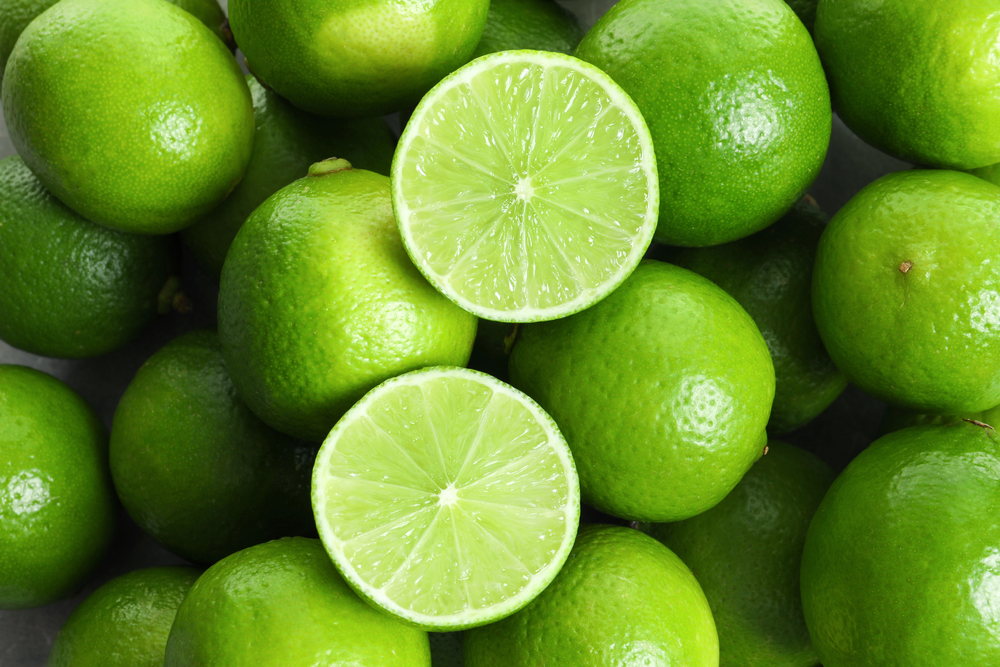
Limes (Citrus aurantiifolia) are a rich source of vitamin C, antioxidants, and citric acid. While they are often used to flavor food or beverages, their medicinal properties have long been valued in natural healing traditions.
Key Nutrients in Limes:
Vitamin C: Supports immune health and acts as an antioxidant.
Citric Acid: The star compound for kidney stone prevention.
Flavonoids: Anti-inflammatory compounds that combat oxidative stress.
Potassium: Helps balance electrolytes and supports kidney function.
The Role of Citric Acid in Preventing Kidney Stones
One of the most important ways limes support kidney health is through their high citric acid content. Citric acid is a natural stone inhibitor that works in several ways:
Prevents Stone Formation
Citric acid binds with calcium in the urine, reducing the chances of forming calcium-based stones (particularly calcium oxalate stones). It can also prevent existing small stones from growing larger.
By making the urine more alkaline, citric acid creates an environment less favorable for stone formation. This also helps flush out small particles before they become larger stones.
Dissolves Tiny Crystals
Small stones or crystals can sometimes be dissolved or reduced in size by increasing urinary citrate levels — something limes naturally support.
Lime vs. Lemon: Which Is Better?
Lemons have long been known as a home remedy for kidney stones due to their high citric acid content. However, limes offer a comparable — and sometimes greater — amount of citric acid depending on the variety. Persian limes and Key limes both contain citric acid and provide similar kidney-supporting benefits.
In traditional Ayurvedic and tropical medicine systems, limes are often preferred due to their more balanced pH and holistic support for digestion and detoxification.
To gain the kidney stone-prevention benefits of limes, consistency and hydration are key. Here are natural ways to incorporate limes into your routine:
Lime Water
Squeeze the juice of 1–2 limes into a glass of filtered water and drink 1–2 times per day. This helps boost urinary citrate levels and keeps you hydrated — a critical part of stone prevention.
Lime and Herbal Teas
Combine lime juice with herbal teas such as dandelion root, parsley, or nettle — all known for their detoxifying effects on the kidneys.
Lime in Meals
Add lime juice to soups, salads, smoothies, and marinades. It not only enhances flavor but also provides a natural source of citric acid.
Avoid Sweetened Lime Drinks
Commercial limeade and sodas may contain citric acid but are also high in sugar, which can increase your risk for kidney stones. Stick to fresh lime juice or natural preparations.
Additional Natural Strategies to Prevent Kidney Stones
Limes work best as part of a holistic prevention strategy. Here are some additional tips:
Stay Well Hydrated: Drink at least 8–10 glasses of water per day to dilute urine and flush out minerals.
Limit High-Oxalate Foods: Spinach, rhubarb, nuts, and beets are high in oxalates, which can contribute to stone formation.
Eat Calcium-Rich Foods: Getting calcium from natural sources (like leafy greens or dairy) can actually prevent calcium stones by binding oxalates in the gut.
Reduce Salt and Animal Protein: Excess sodium and meat intake can lead to stone formation by increasing calcium and uric acid in the urine.
Consider Magnesium and Potassium: These minerals play a role in balancing electrolytes and may help reduce risk.
Are There Any Precautions?
While limes are generally safe, consuming them in excessive quantities may erode dental enamel due to their acidity. To protect your teeth:
Drink lime water with a straw.
Rinse your mouth with plain water afterward.
Avoid brushing your teeth immediately after drinking citrus juice.
People with GERD or acid reflux may also need to moderate their citrus intake.
Final Thoughts: Limes as a Natural Ally for Kidney Health
Limes offer a refreshing, natural, and scientifically-supported way to help prevent kidney stones and support overall kidney function. With their potent dose of citric acid, antioxidants, and vital nutrients, limes deserve a place in your daily wellness regimen — especially if you’re prone to urinary issues or seeking to detox naturally.
While not a standalone cure, they are a powerful tool when combined with hydration, dietary balance, and an active lifestyle. Nature often provides us with simple yet profound remedies — and in the case of kidney stones, a squeeze of lime might be just what your body needs.
This website uses cookies to improve your experience. We'll assume you're ok with this, but you can opt-out if you wish.AcceptRejectRead More
Privacy & Cookies Policy
Privacy Overview
This website uses cookies to improve your experience while you navigate through the website. Out of these cookies, the cookies that are categorized as necessary are stored on your browser as they are essential for the working of basic functionalities of the website. We also use third-party cookies that help us analyze and understand how you use this website. These cookies will be stored in your browser only with your consent. You also have the option to opt-out of these cookies. But opting out of some of these cookies may have an effect on your browsing experience.